Renting Your First Commercial Truck? Avoid These 9 Mistakes
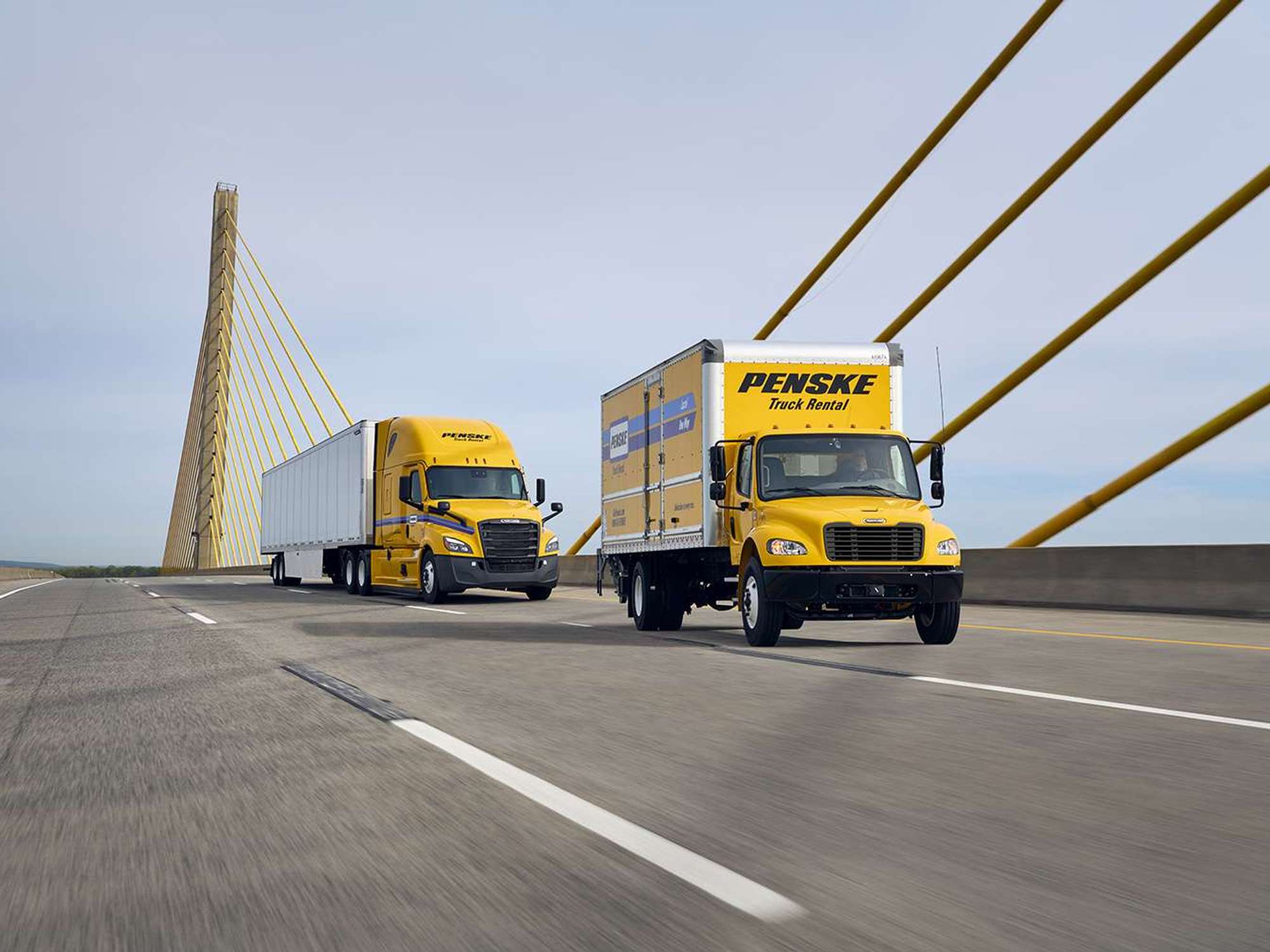
Peak season isn’t the only time when companies choose to rent a commercial vehicle for the first time. Businesses also choose rentals when they land a new customer, experience a spike in new orders or want to try a different type of truck before committing to a purchase. No matter your motivation, Penske wants your first rental experience to be your best one.
Top 9 mistakes first-time renters make (and how to avoid them)
Let’s look at the nine mistakes first-time renters often make and how to prevent them so you can avoid surprises and take your business to the next level.
1. Choosing the Wrong Size or Type of Truck
Rent a truck that’s too large and you’ll end up paying for unused payload space and extra fuel. Rent one that’s too small and you might need to make multiple trips and burn more fuel.
How to avoid it: Start by knowing the weight and volume of the cargo your company will haul. Then consider the types of roads on your route. These two answers are key to choosing the right type and size of truck.
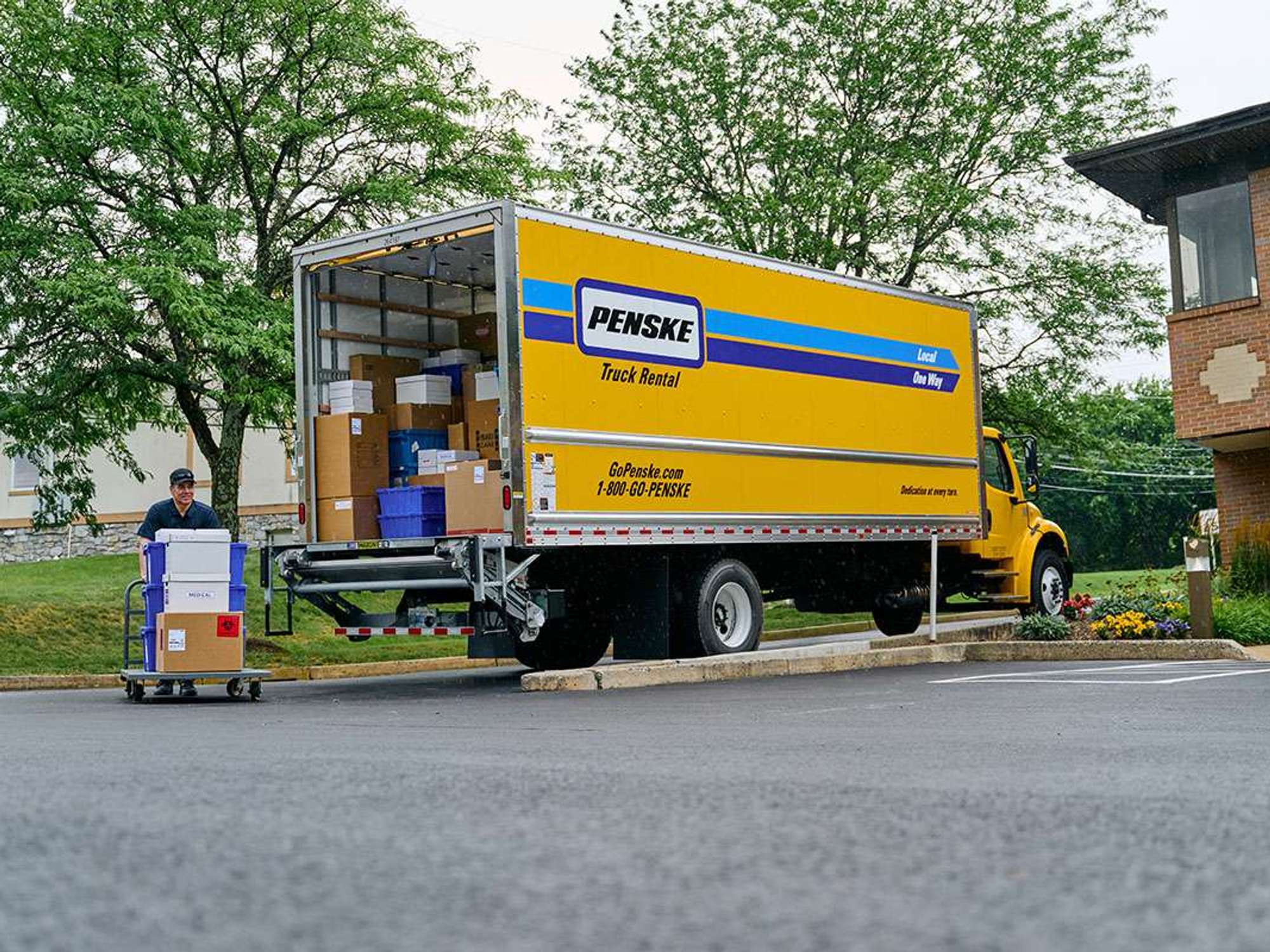
A light-duty 12 foot box truck, for example, offers 450 cu. ft. of loading space and a payload of 3,100 lbs. In contrast, a medium-duty 22 to 26 foot box truck (CDL) can accommodate a payload capacity of up to 17,000 lbs.
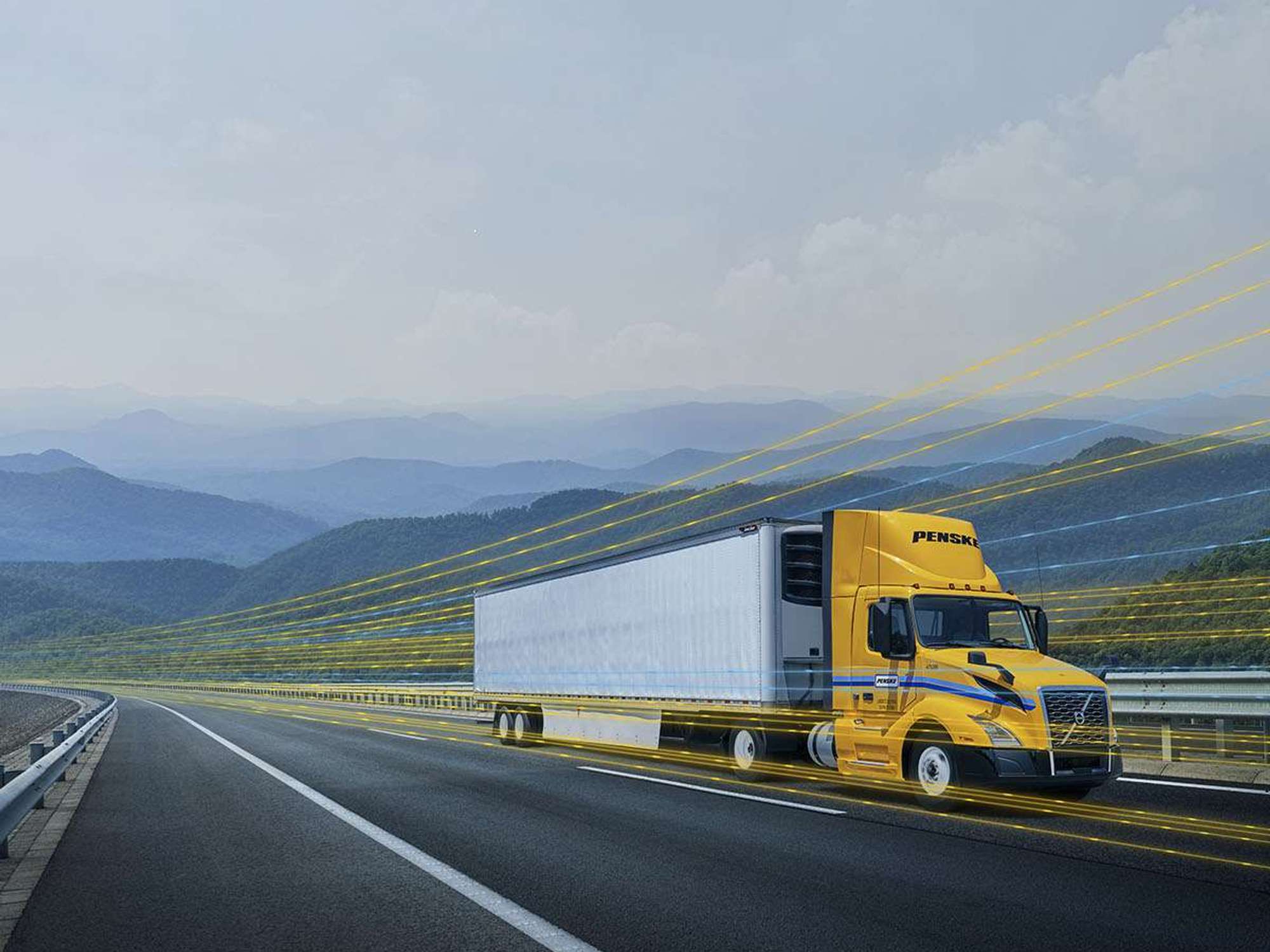
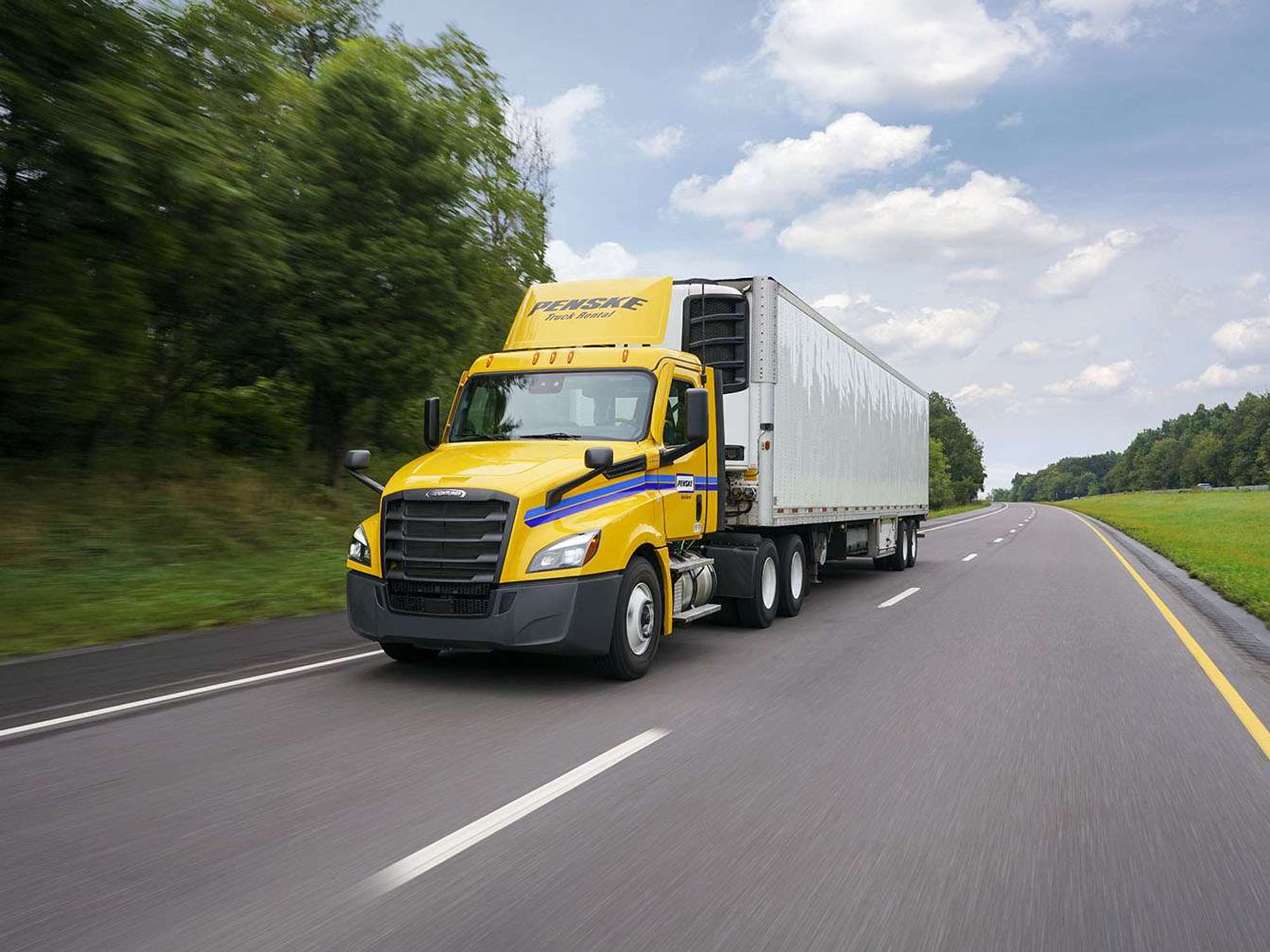
Cargo type matters, too. Hauling temperature-sensitive goods? A refrigerated truck can keep your payload cool across every mile. Transporting oversized items? Consider a flatbed truck that can be loaded easily from the back and either side.
Unsure which truck is the right fit? Try this guide to sizing a commercial rental truck.
2. Assuming Anyone With a Driver’s License Can Operate the Truck
Some light-duty and medium-duty trucks, such as cargo vans and 18 to 22 foot step vans, can be driven by anyone with a standard (Class C or D, depending on your state) driver’s license. Other medium-duty and all heavy-duty trucks, however, require the driver to have a Commercial Driver’s License (CDL). Driving a CDL-required truck without the right license could lead to fines.
How to avoid it: Match the type of truck to the licenses of the employees who will drive it. If you’re not sure whether the truck you need requires a CDL, use this CDL vs. Non-CDL truck rental guide.
3. Ignoring DOT or HOS Requirements
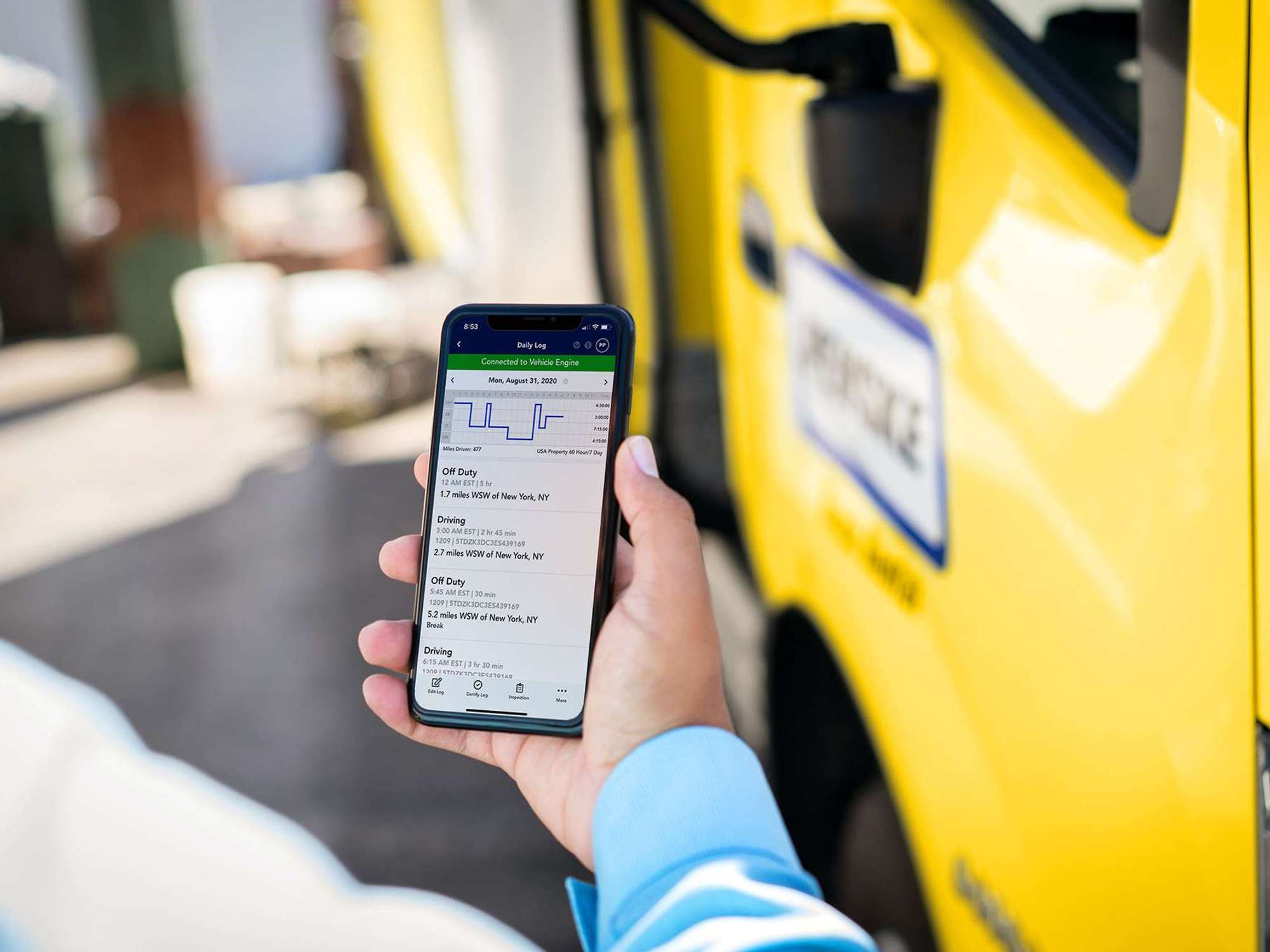
All drivers of commercial rental vehicles must track their Record of Duty Status (RODS) and Hours of Service (HOS). RODS are logs that track a driver’s on-duty and off-duty hours. HOS limits determine how long drivers can operate a vehicle without a break. If the rental is nine days or longer, drivers must use an electronic logging device (ELD) to track RODS and HOS.
Additionally, motor carriers must request and display a DOT number if the truck will cross state lines, if it carries a gross vehicle weight rating (GVWR) of 10,001 pounds or more, or if it transports hazardous materials. Any violations could lead to fines and out-of-service orders.
How to avoid it: With Penske, companies can comply with the ELD mandate using the free Penske Driver™ app. Check out our full breakdown on DOT & FMCSA requirements.
4. Not Knowing Your Insurance Options
The rules regarding insurance can be complicated, but driving a commercial rental truck without insurance exposes you to severe financial liability.
How to avoid it: Penske and other companies require you to show proof of insurance coverage. To insure your rental, you may either purchase Penske-supplied insurance coverage or provide your own. Get coverage details.
5. Waiting Until the Last Minute To Rent a Truck
Truck rental availability can vary depending on the size and type of truck you need. Timing matters, too. Commercial rental vehicles may be in shorter supply during peak times of the year, such as between Black Friday and Christmas.
How to avoid it: Forecast your needs as early as possible based on anticipated order volume, special projects, seasonal spikes and backup capacity. Then reserve your truck as soon as possible.
6. Driving the Truck Like It’s a Passenger Vehicle
Larger trucks need more space to stop, turn and back up. Failing to accommodate for the size difference between passenger cars and trucks can lead to accidents and damage claims.
How to avoid it: All drivers should familiarize themselves with the controls, mirrors and features of a rental vehicle before each trip to be sure they’re comfortable behind the wheel.
7. Failing To Consider How You’ll Load (or Unload) the Truck
An unbalanced load can lead to damaged cargo or accidents involving both the rental truck and other vehicles on the road. FMCSA guidelines state that drivers are responsible for properly balancing and securing their cargo.
How to avoid it: Know the federal cargo securement rules. Distribute weight evenly. Use load bars, tie-downs, ratchet straps and other devices. And follow these cargo securement tips.
8. Rushing Through Pre- or Post-Trip Inspection
Breakdowns can happen on the road, but they’re more likely to occur when drivers fail to inspect a rental vehicle before or after a trip.
How to avoid it: Budget 10 to 15 minutes for pre- and post-trip inspections. Follow a consistent counterclockwise pattern around the truck so you remember to check all components. Write down any defects so you can address them. This truck inspection guide walks you through what to check and when.
9. Forgetting the Return Requirements
If you return a commercial rental vehicle with less fuel than it had when you left the lot, you could face extra charges.
How to avoid it: Refuel the truck before you return it. Also, make sure the truck is clean and in the same physical shape as when you rented it.
Rent a Commercial Truck With Confidence
Renting a commercial truck is easy, and with a partner like Penske, you get the support you need to avoid first-time mistakes and keep your business moving forward. See our full lineup of commercial vehicles and reserve a truck today.
Common Questions
How do I know which size commercial truck to rent?
Start with the weight and volume of the cargo you need to transport. You should also consider the type of cargo, your route, and how you plan to load and unload the vehicle. Choosing the right truck can help you avoid paying for unneeded capacity or making extra trips because your load doesn’t fit.
What should I check before driving a commercial rental truck?
Before each trip, inspect key components such as the tires, lights, mirrors, brakes and fluid levels. Look for visible signs of damage or other safety concerns. Get familiar with the truck’s controls and features, too. Allow 10 to 15 minutes for pre- and post-trip inspections so you can identify any problems before you hit the road.
What should I do before returning a commercial rental truck?
Check your rental agreement for the specific return requirements. In general, refuel the vehicle, remove your cargo and belongings, clean out the truck and check for damage. Completing these steps can help you avoid unexpected charges.